To Kill A King
Edward II to Charles I: the dangers of being a reigning monarch.

On 30 January 1649, a vast crowd gathered at Whitehall in London. They had come to witness an extraordinary and unprecedented event: the public execution of a reigning monarch.
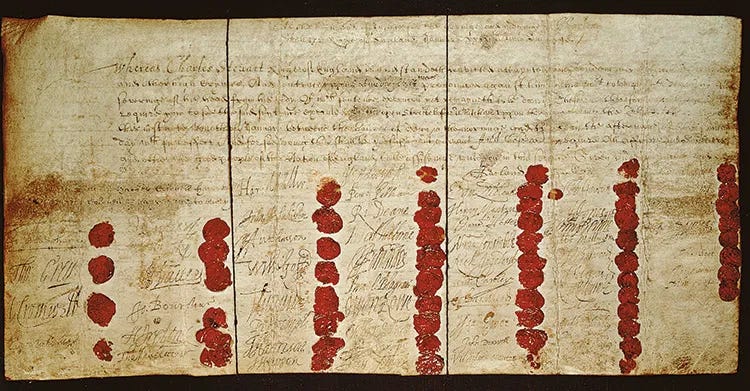
After a week long trial by the Commons faction of Parliament, Charles I, King of England, was charged with high treason, as a tyrant, traitor, murderer and public enemy. He was condemned to death by the severing of his head from his body.
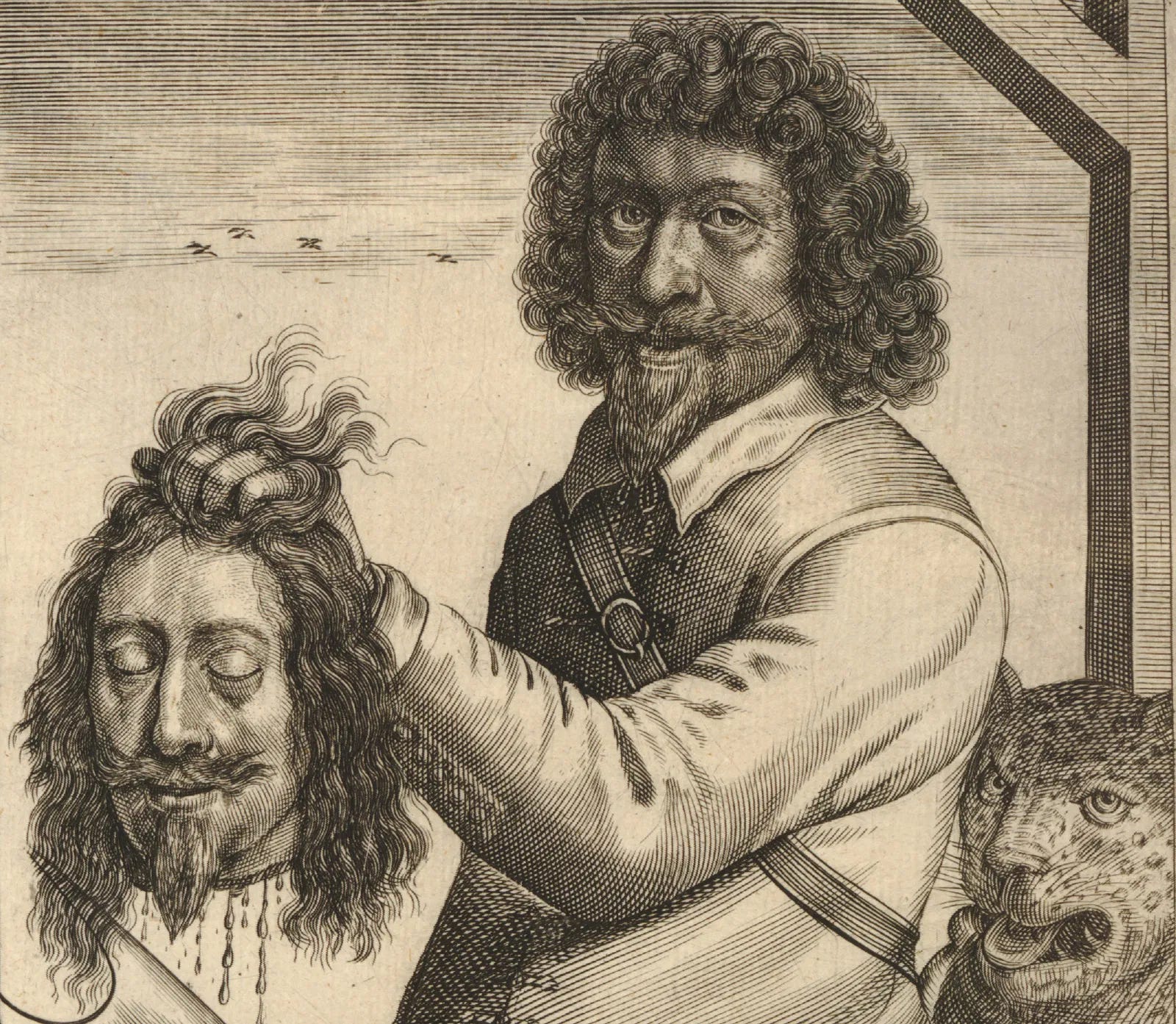
It was a freezing cold afternoon in Whitehall when the king, who wore two thick shirts to shield his frail and defeated body from the chill, laid his head on the low executioners block. In one swift, expert blow, he was decapitated and a vast groan rose from the crowd, described by an onlooker as, ’a groan as I never heard before and desire to never hear again’. The head of the king was raised by the executioner’s assistant with the cry, “behold, the head of a traitor.”
The execution of Charles I has shaped our constitutional history forevermore, however, this was not the first time a reigning king, or queen, of England was brutally deposed. Centuries prior to death of Charles I, kings and queens were executed publicly, or disposed of surreptitiously, leaving a legacy of intrigue and speculation.
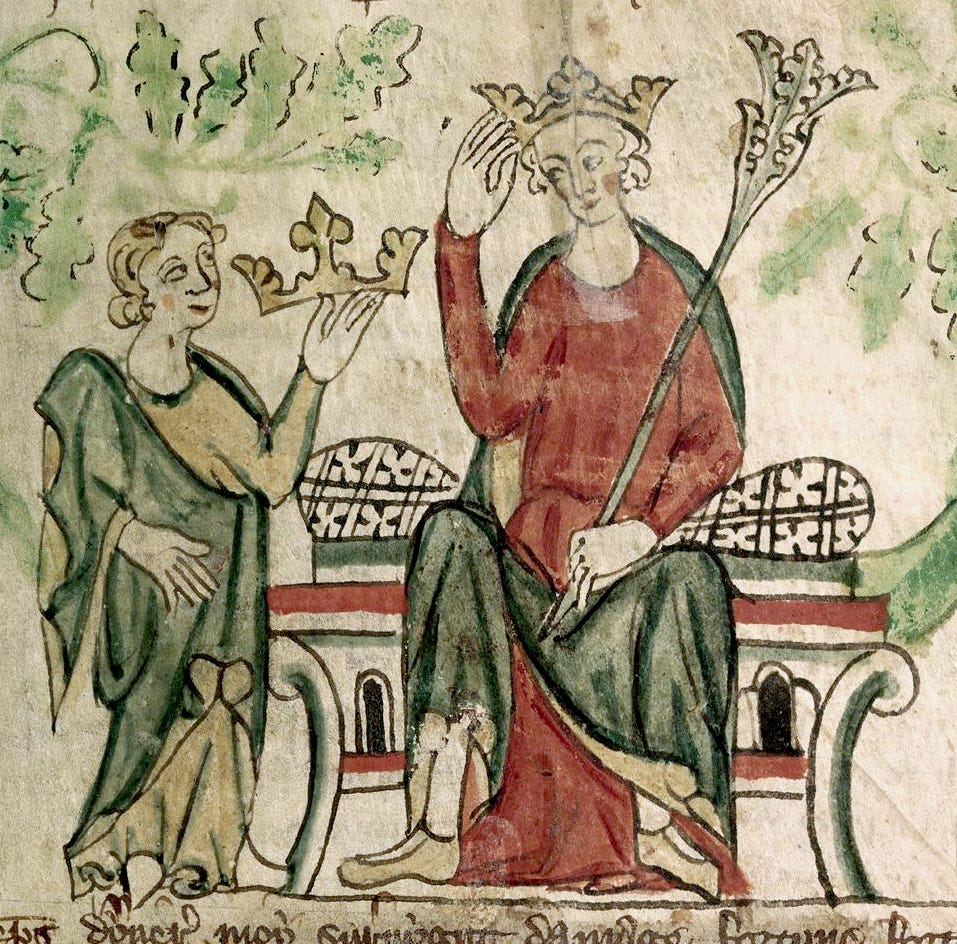
The Middle Ages are often considered to be a merciless period in history, and when it comes to its monarchal history, it is a genuine ‘game of thrones’, with any monarch under an almost constant threat of conspiracy and deposition. It is also a period of bad kings. From the worst- King John- to the not very good- King Richard II, to the unfortunate- Henry VI. Only monarchs who demonstrated strength, military success, potency and charisma thrived; others slowly deteriorated or in some cases, met a bloody end. One of the most savage acts of regicide that took place in the Middle Ages was the purported murder of Edward II.
In September 1327, King Edward II was held as a prisoner at Berkley Castle when he was allegedly murdered under order from Sir Roger Mortimer, the maybe lover of Queen Isabella. Mortimer acted as a de facto king even through the heir to the throne, Edward III had been crowned . There are a number of chronicle accounts that refer to the death of the king. Some state he suffered ill health and died of natural causes, others that he was murdered. The Lichfield chronicle states ‘iugulatus’- strangulation, Adam Murimuth claims that the king was smothered to death. However, The Brut- written around six years after the event- stipulates the king was murdered by a red hot poker. This story (which I have previously discussed here) has endured and become most famous alleged means by which the king was killed. Gruesome but probably not true, this version was fabricated, a literary borrowing from the story of the murder of an Saxon king known as Edmund Ironside. Apparently he died on the toilet in a similar ‘death by anal penetration’ situation.